
Jordan Castro
Jordan Castro
(Geb. 1992 in Cleveland, Ohio)
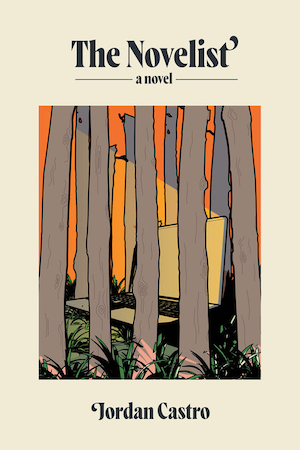
I sipped my coffee, picked my phone up off the table, and glimpsed my reflection in the blackness of the screen; then I pressed the circle button at the bottom of my phone, typed in my password, and looked at Eric’s Instagram post. I could still see my reflection on the screen, and I surveyed the general shape of my head as I sipped another small sip of coffee and suddenly felt an exhilarating burst of energy: I could start a new novel! I looked at what I’d written about Eric. I could write a novel where I just talked shit about Eric; I could write my own version of Woodcutters.
Woodcutters by Thomas Bernhard was one of my favorite novels; a contemporary Woodcutters would be sweet, I considered. I feverishly glanced at Eric’s post on my phone, then, right leg bouncing on the ball of my foot, turned my attention to my laptop. (…)
I felt excited at the prospect of writing a novel like Woodcutters. I would talk shit about Eric and everyone else I felt unarticulated aversion toward, while inveighing against a certain worldview which had been infecting my peers like an intellectual plague. This plague spread on social media and throughout the universities and its symptoms included an inability to think deeply, speak honestly, or interact with anyone or any idea that tried to resist said plague, resulting in what seemed like severe brain damage, among other things. Woodcutters . . . I thought, sipping my coffee. Ah, yes—my Woodcutters.
Jordan Castro: The Novelist, New York: Soft Skull 2022.